
Choose Cloud Migration Services | Seamless Transition & Optimization

Choose Cloud Migration Services for Seamless Transition and Optimization
In today’s digital landscape, cloud migration has become a critical strategy for businesses looking to enhance their operational efficiency and scalability. This article delves into the essential aspects of cloud migration services, particularly for e-commerce businesses, highlighting their benefits, strategies, and tools. Readers will learn how to effectively transition to cloud infrastructure while optimizing performance and cost efficiency. As companies face increasing demands for flexibility and speed, understanding cloud migration becomes paramount. This guide will cover the definition of cloud migration, its importance, key phases of the migration process, effective strategies, tools available, common challenges, and how to measure costs and ROI.
Why Choose Cloud Migration Services to Optimize E-Commerce Operations
Cloud migration refers to the process of moving data, applications, and other business elements from on-premises infrastructure to cloud-based environments. This transition is essential for e-commerce businesses as it enables them to leverage scalable resources, enhance performance, and reduce operational costs. By adopting cloud solutions, businesses can improve their agility and responsiveness to market changes, ensuring they remain competitive. The benefits of cloud migration include increased scalability, improved performance, and enhanced security, making it a vital consideration for modern e-commerce operations.
How Does Cloud Migration Enhance Scalability and Performance?
Cloud migration significantly enhances scalability and performance for e-commerce businesses by leveraging advanced technologies and architectures. For instance, cloud platforms allow businesses to easily scale their operations based on demand, ensuring that they can handle traffic spikes during peak shopping seasons. Additionally, cloud solutions often come with built-in performance optimization features, such as content delivery networks (CDNs) and load balancing, which improve user experience by reducing latency. Data-driven insights from cloud analytics further empower businesses to make informed decisions, optimizing their operations for better performance.
What Are the Key Phases of a Cloud Migration Process?
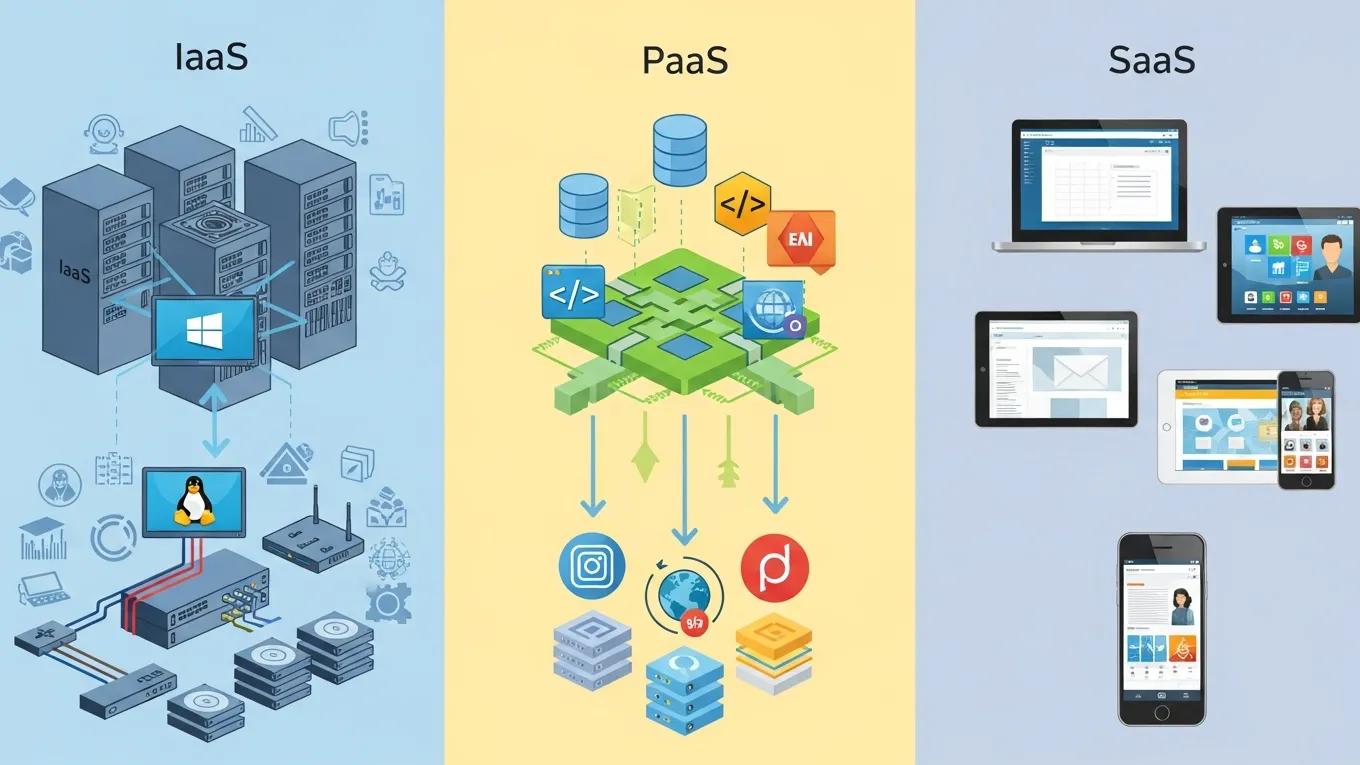
The cloud migration process typically involves several key phases, including discovery, planning, migration, optimization, and training and support. Each phase is crucial for ensuring a successful transition to the cloud. The discovery phase involves assessing the current infrastructure and identifying which applications and data should be migrated. In the planning phase, businesses develop a comprehensive strategy that outlines the migration timeline, resources needed, and potential risks. The migration phase is where the actual transfer occurs, followed by optimization to ensure that the cloud environment is running efficiently. Finally, training and support are essential to help staff adapt to the new systems and processes.
How to Develop an Effective Cloud Migration Strategy for Your Business?
Developing an effective cloud migration strategy requires careful planning and consideration of various factors. Businesses should start by assessing their current infrastructure to determine which applications and data are suitable for migration. Defining clear business goals is also essential, as it helps guide the migration process and ensures alignment with overall business objectives. Selecting appropriate tools and services is another critical step, as the right solutions can significantly enhance the migration experience and optimize performance.
What Are the Best Practices for Planning Cloud Migration?
When planning cloud migration, businesses should adhere to several best practices to ensure a smooth transition. These include:
- Conducting a thorough assessment: Evaluate existing infrastructure and identify dependencies.
- Setting clear objectives: Define what success looks like for the migration project.
- Choosing the right cloud model: Decide between public, private, or hybrid cloud solutions based on business needs.
- Engaging stakeholders: Involve key stakeholders throughout the process to ensure buy-in and support.
By following these best practices, businesses can mitigate risks and enhance the likelihood of a successful migration.
How to Assess Your Current Infrastructure for Migration Readiness?
Assessing current infrastructure for migration readiness involves evaluating hardware, software, and network capabilities. Businesses should consider the following factors:
- Performance metrics: Analyze current system performance to identify bottlenecks.
- Compatibility: Ensure that existing applications can function in a cloud environment.
- Security posture: Evaluate current security measures and identify any gaps that need to be addressed before migration.
This assessment will provide valuable insights into what needs to be migrated and how to approach the transition effectively.
Which Cloud Migration Tools and Services Optimize Transition Efficiency?
Several cloud migration tools and services can optimize the transition process, making it more efficient and less prone to errors. These tools often provide automation features that streamline data transfer and application deployment, reducing the time and effort required for migration.
The increasing sophistication of these tools, particularly in automation, is further explored in a recent survey on automated cloud migration pipelines.
Automated Cloud Migration: Strategies, Tools & Best Practices
This survey examines the evolving landscape of automated cloud migration, highlighting its benefits, risks, strategies, tools, and emerging trends. It discusses migration approaches, rehosting, refactoring, re-platforming, repurchasing, and retaining and explores trends in automated migration, including AI-driven workload assessment, risk optimization, multi-cloud and hybrid adoption, and DevSecOps integration. Essential tools such as Azure Data Migration, AWS Cloud Data Migration, Docker, and Kubernetes are reviewed, along with best practices including CI/CD integration, Infrastructure as Code, agile development, cost modeling, and AI-driven adaptive control.
Automated Cloud Migration Pipelines: Trends, Tools, and
Best Practices–A Survey, V Tamilmani, 2025
What Managed Cloud Services Does NIVI Solutions Offer for E-Commerce?
NIVI Solutions offers a range of Managed Cloud Services specifically tailored for e-commerce businesses. Their services include Creative Services & Consultation, ZNode Implementation, and Performance Optimization. These offerings are designed to help businesses seamlessly transition to cloud infrastructure while ensuring optimal performance and cost efficiency. By leveraging NIVI Solutions’ expertise, e-commerce businesses can focus on their core operations while benefiting from advanced cloud technologies.
How Do Cloud Migration Tools Automate and Secure the Migration Process?
Cloud migration tools automate various aspects of the migration process, such as data transfer, application configuration, and security protocols. Automation reduces the risk of human error and accelerates the migration timeline. Additionally, these tools often include security features that protect sensitive data during the transfer, ensuring compliance with industry regulations. By utilizing these tools, businesses can achieve a more secure and efficient migration experience.
What Are the Common Challenges in Cloud Migration and How to Overcome Them?
Despite the benefits, cloud migration can present several challenges, including security risks, cost overruns, and potential downtime. Understanding these challenges is crucial for businesses to navigate the migration process successfully.
How to Mitigate Security Risks During Cloud Migration?

To mitigate security risks during cloud migration, businesses should implement robust security measures, such as encryption, access controls, and regular audits. Additionally, conducting a thorough risk assessment before migration can help identify potential vulnerabilities and address them proactively. Engaging with cloud service providers that prioritize security can also enhance overall protection during the transition.
What Strategies Address Cost Overruns and Downtime?
To address cost overruns and downtime during migration, businesses should establish a clear budget and timeline for the project. Regular monitoring of expenses and progress can help identify any deviations from the plan early on. Additionally, conducting a phased migration approach can minimize downtime by allowing businesses to transition applications gradually rather than all at once.
How to Measure Cloud Migration Costs and Calculate Return on Investment?
Measuring cloud migration costs involves evaluating various factors, including infrastructure expenses, software licensing, and potential downtime. Businesses should also consider the long-term savings associated with cloud adoption, such as reduced maintenance costs and improved operational efficiency.
Further insights into the financial aspects and strategic considerations of cloud data migration are provided by recent research.
Cloud Data Migration: Strategies, Costs & Best Practices
This paper presents a comprehensive overview of data migration to cloud computing environments, addressing its growing importance in the modern digital landscape. We explore the advantages and challenges of migrating applications and data to the cloud, emphasizing the crucial role of storage and processing systems in large-scale, high-performance applications. The study examines various aspects of data migration, including strategies, methodologies, categories, and associated risks. Our research highlights the potential cost implications of migration, stressing the importance of following best practices and identifying hidden costs early in the process. We discuss the increasing preference for cloud services over in-house IT management among organizations, driven by rising data storage and maintenance costs.
Data migration to cloud-strategies, challenges, and best practices, J Vupputuri, 2024
What Factors Influence Cloud Migration Pricing?
Several factors influence cloud migration pricing, including the complexity of the migration, the volume of data being transferred, and the specific services required. Understanding these factors can help businesses budget effectively and make informed decisions about their cloud migration strategy.
How to Evaluate ROI from Cloud Migration Using Industry Data?
Evaluating ROI from cloud migration involves analyzing key performance indicators (KPIs) such as cost savings, increased revenue, and improved customer satisfaction. By comparing these metrics before and after migration, businesses can gain insights into the financial impact of their cloud transition. Industry data can also provide benchmarks for assessing performance against similar organizations.
What Are Recent Case Studies Demonstrating Successful Enterprise Cloud Migration?
Recent case studies highlight the successful implementation of cloud migration strategies across various industries, showcasing the benefits realized by businesses that have made the transition.
How Have E-Commerce Businesses Benefited from NIVI Solutions’ Cloud Migration?
E-commerce businesses that have partnered with NIVI Solutions for cloud migration have reported significant improvements in operational efficiency and customer experience. By leveraging managed cloud services, these businesses have been able to scale their operations seamlessly, reduce costs, and enhance their overall performance in a competitive market.
What Lessons Can Be Learned from Recent Cloud Migration Projects?
The cloud migration projects undertaken recently have provided valuable lessons for businesses looking to transition to cloud infrastructure. Key takeaways include the importance of thorough planning, the need for ongoing support during and after migration, and the benefits of leveraging expert services to navigate the complexities of cloud adoption. These insights can help guide future migration efforts and ensure successful outcomes.