
Custom E-commerce Software Development | NIVI Solutions

Drive Growth and Efficiency with Custom Software Development
In the rapidly evolving landscape of e-commerce, businesses are increasingly turning to custom software development to meet their unique needs. Custom software solutions offer tailored functionalities that enhance operational efficiency, improve customer experiences, and drive sales growth. This article delves into the benefits of custom software development, particularly for e-commerce businesses, and explores how tailored solutions can address specific challenges faced by companies today. We will also highlight the services offered by NIVI Solutions LLC, a leader in providing bespoke software development services, and discuss key considerations for selecting the right development partner.
What Are the Benefits of Custom Software Development for E-commerce Businesses?
Custom software development provides numerous advantages for e-commerce businesses, enabling them to stand out in a competitive market. By investing in tailored solutions, companies can achieve increased efficiency, scalability, and enhanced customer experiences. These benefits are crucial for businesses looking to adapt to changing market demands and consumer preferences.
One of the primary benefits of custom software development is the ability to create solutions that are specifically designed to meet the unique needs of a business. This level of customization allows for greater flexibility and adaptability, ensuring that the software can evolve alongside the business. Additionally, custom solutions can integrate seamlessly with existing systems, streamlining operations and reducing the need for manual processes.
How Bespoke Software Enhances Sales and Customer Experience
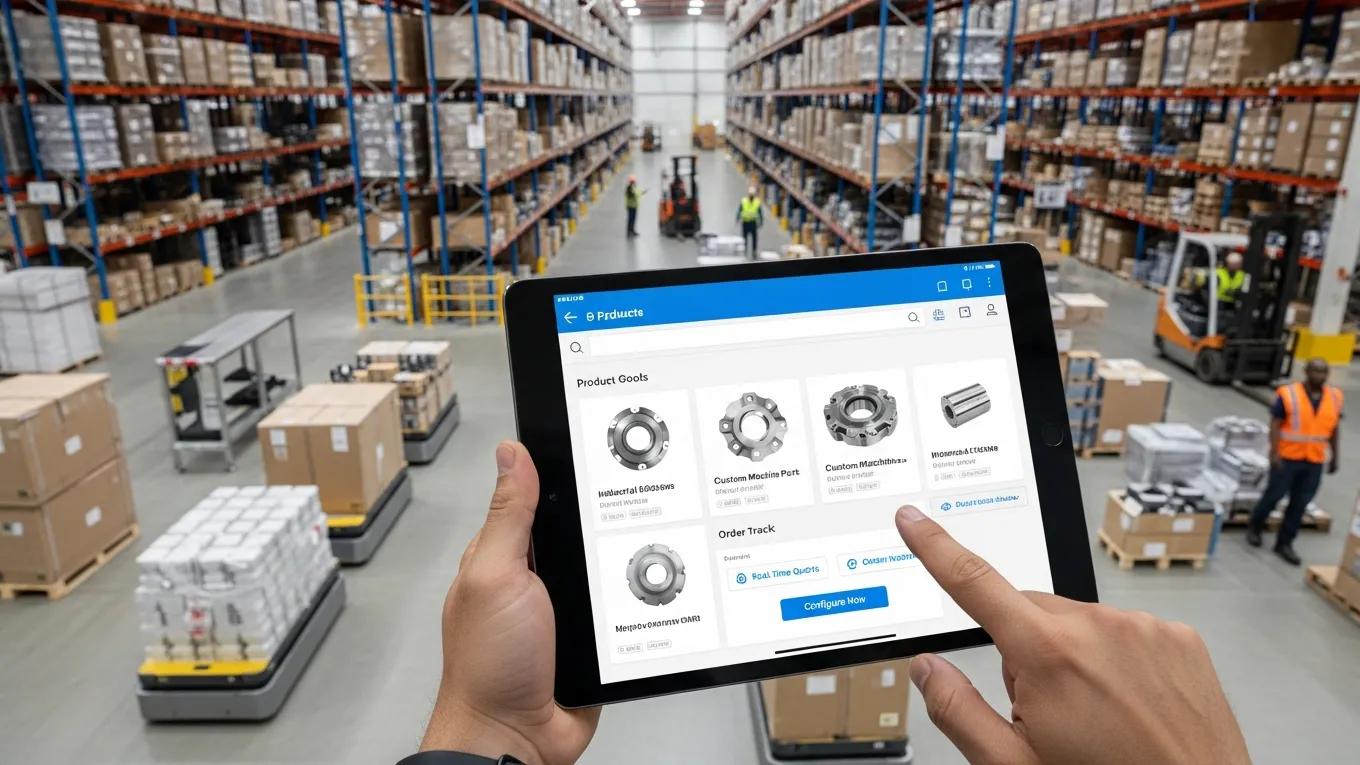
Bespoke software plays a vital role in enhancing sales and improving customer experiences. By leveraging personalized features and functionalities, businesses can create a more engaging shopping experience for their customers. Custom software allows for dynamic data management, enabling businesses to tailor their offerings based on customer preferences and behaviors.
Moreover, bespoke solutions can improve site search capabilities, making it easier for customers to find the products they are looking for. This enhanced user experience not only boosts customer satisfaction but also increases conversion rates, ultimately driving sales growth. As e-commerce continues to evolve, the importance of custom software in enhancing customer interactions cannot be overstated.
Which Custom E-commerce Platform Development Services Does NIVI Solutions Offer?
NIVI Solutions LLC specializes in providing a range of custom e-commerce platform development services designed to meet the diverse needs of businesses. Their offerings include end-to-end development, performance optimization, and seamless e-commerce integration.
Features of Enterprise-Grade E-commerce Software Solutions
Enterprise-grade e-commerce software solutions come equipped with features that cater to the complex needs of large businesses. These features include multi-store capabilities, B2B functionalities, and advanced analytics and insights. Multi-store capabilities allow businesses to manage multiple online stores from a single platform, while B2B features enable tailored experiences for wholesale customers. Additionally, robust analytics tools provide valuable insights into customer behavior and sales performance, empowering businesses to make data-driven decisions.
Integration with Existing Business Processes for Seamless Operations
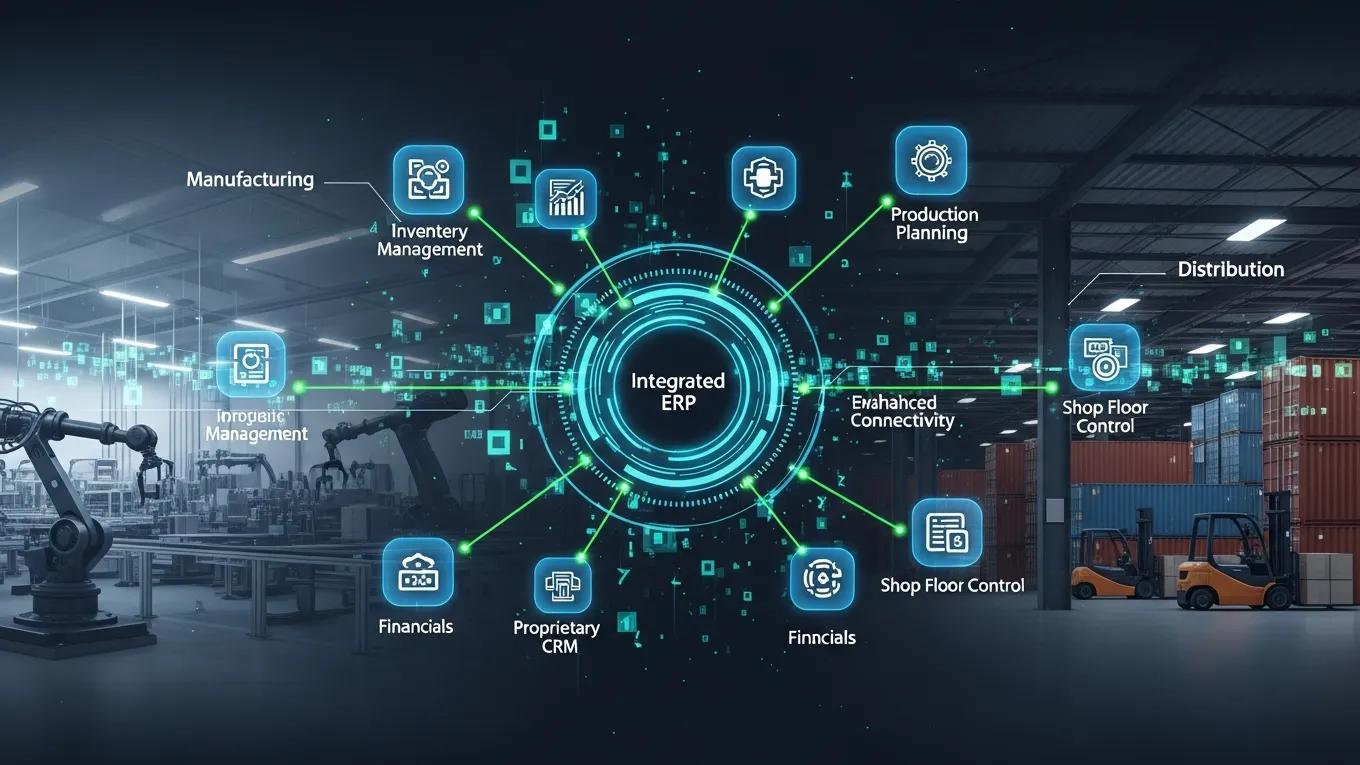
Integrating custom software with existing business processes is essential for achieving seamless operations. Effective integration methods include utilizing ERP connectors and API integrations, which facilitate communication between different systems. Testing and validation are also critical steps in the integration process, ensuring that all components work together smoothly. By prioritizing integration, businesses can enhance their operational efficiency and reduce the risk of errors.
How Does Software Development Lifecycle Consulting Improve Project Outcomes?
Software development lifecycle consulting plays a crucial role in improving project outcomes by providing expert guidance throughout the development process. By employing agile methodologies, businesses can ensure efficient software delivery and adapt to changing requirements quickly. This approach fosters collaboration and encourages continuous feedback, leading to higher-quality software solutions.
Additionally, consulting services can help optimize software maintenance and support, ensuring that systems remain functional and up-to-date. By focusing on long-term success, businesses can maximize their investment in custom software development and achieve their strategic goals.
What Are the Key Considerations in Enterprise Application Development for E-commerce?
When developing enterprise applications for e-commerce, several key considerations must be taken into account. Scalability, security, and user experience are paramount to the success of any custom software solution.
Scalability and Customization in Enterprise Software Solutions
Scalability is essential for businesses that anticipate growth. Custom software solutions should be designed to accommodate increasing user demands and expanding product lines. This can be achieved through dynamic database schemas and API integrations, which allow for easy adjustments as the business evolves.
Security and Compliance Standards in E-commerce Applications
Security is a critical concern for e-commerce applications, as businesses must protect sensitive customer data and comply with industry regulations. Implementing robust security measures, such as data encryption and secure payment processing, is essential for maintaining customer trust. Additionally, adhering to compliance standards ensures that businesses operate within legal frameworks, reducing the risk of penalties and reputational damage.
How Can Businesses Choose the Right Custom Software Development Consulting Firm?
Selecting the right custom software development consulting firm is crucial for the success of any project. Businesses should evaluate potential partners based on their experience, expertise, and track record in delivering successful e-commerce solutions.
Evaluating Expertise in E-commerce Software Solutions
When assessing a consulting firm, it is important to consider their customization capabilities and ability to integrate with existing systems. A firm with a proven history of delivering tailored solutions will be better equipped to meet the unique needs of a business.
Assessing Client Success Stories and Measurable Outcomes
Client success stories and measurable outcomes provide valuable insights into a consulting firm’s effectiveness. By reviewing case studies and testimonials, businesses can gauge the firm’s ability to deliver results and drive positive change.
What Are the Latest Trends in Custom Software Development for E-commerce?
AI Integration and Cloud-Native Solutions in E-commerce Platforms
AI integration is becoming increasingly important in e-commerce platforms, enabling businesses to leverage data-driven insights for personalized customer experiences. Cloud-native solutions offer scalability and flexibility, allowing businesses to adapt quickly to changing market conditions.
Indeed, the integration of AI and cloud-native systems is already proving transformative across various sectors, including e-commerce.
Cloud-Native Development for E-commerce Efficiency
Sectors like ecommerce and healthcare are leveraging cloud-native systems across industries. AI and ML are transforming cloud-native operations by enabling predictive capabilities, enhancing efficiency and decision-making.
Cloud native application development: Best practices and challenges, VU Ugwueze, 2024
Leveraging Data-Driven Insights for Continuous Improvement
Data-driven insights are essential for continuous improvement in e-commerce. By implementing analytics tools, businesses can track performance metrics and identify areas for enhancement. This iterative approach ensures that custom software solutions remain effective and aligned with business goals.
Looking ahead, the strategic evolution of cloud-native e-commerce solutions will continue to hinge on advanced technological integrations and robust foundational elements.
Future of Cloud-Native E-commerce Solutions
Looking forward, the future of cloud-native e-commerce solutions lies in strategically integrating emerging technologies such as AI and IoT, establishing robust security frameworks, and ensuring continuous scalability to meet evolving market demands.
Cloud-Native E-commerce Solutions: Evaluating the Cost-Effectiveness of Cloud Platforms for Hosting and Scaling E-commerce Applications, MJ Samonte, 2024