
ERP Integration for B2B eCommerce: Key Strategies & Best Practices
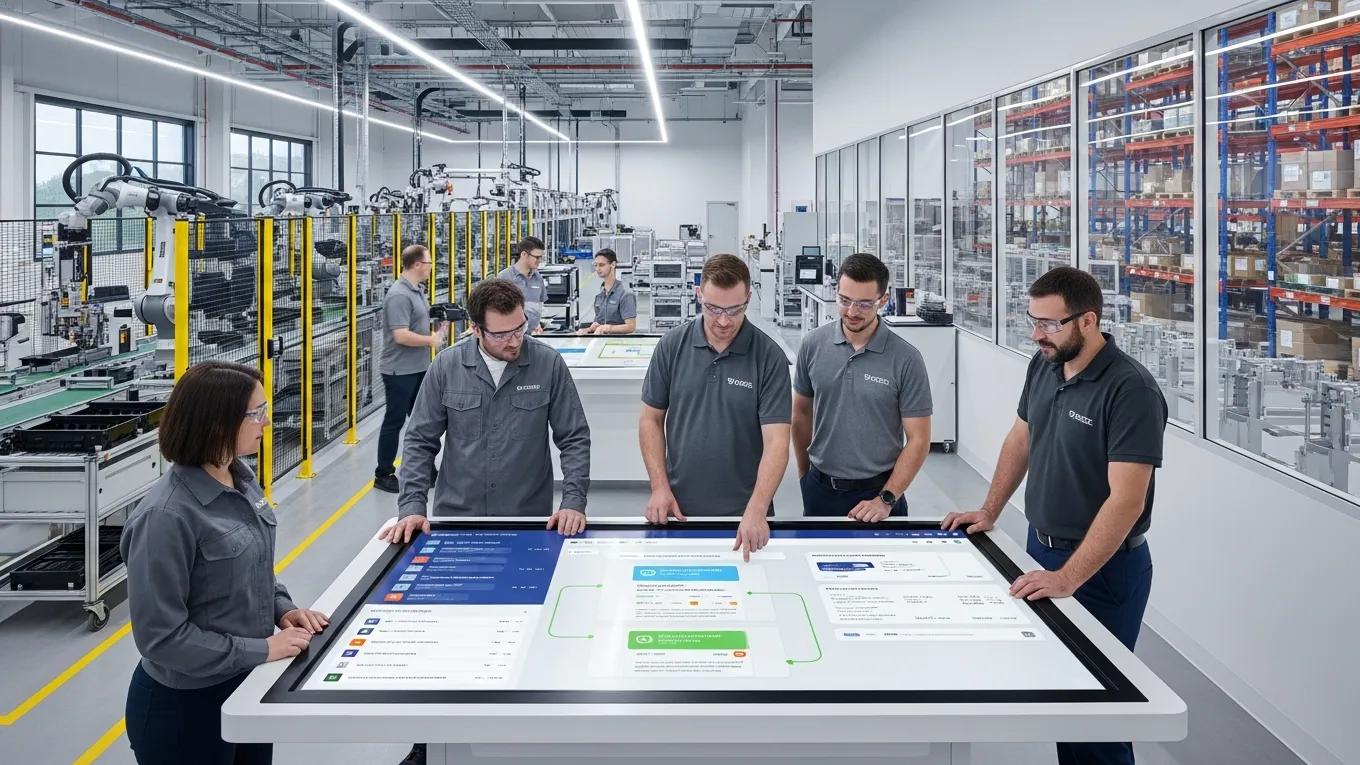
B2B Ecommerce ERP Integration for Manufacturers & Distributors
In the rapidly evolving landscape of B2B ecommerce, manufacturers and distributors face the challenge of integrating their Enterprise Resource Planning (ERP) systems with ecommerce platforms. This integration is crucial for streamlining operations, enhancing customer experiences, and maintaining competitive advantage. This comprehensive guide will delve into the intricacies of ERP integration for B2B ecommerce, exploring its mechanisms, benefits, and best practices. Readers will learn how effective ERP integration can transform order management, inventory control, and operational efficiency. Additionally, we will address common challenges faced by distributors and how to overcome them, while also highlighting the latest trends in cloud ERP and API-first integration.
Indeed, the evolving demands of modern commerce necessitate a fundamental shift in traditional ERP systems, making B2B e-commerce integration an essential progression for manufacturers.
B2B E-commerce & ERP Integration for Manufacturers
In the age of electronic commerce, one-to-one market-based approaches, personalized orders and demand, as well as online customer service and other new business operations and service model, are not what traditional ERP system had expected; especially the emergence of flexible production, small batch production, etc., enable a wider range and more content of inter-corporate transactions; hence, the traditional ERP systems have to change from the corresponding structure and business functions, and many other aspects. E-commerce precisely provides an excellent support platform in response to this change. In addition, with funding from traditional enterprises, especially from large enterprises invested into the field of B2B, integration and applications of B2B e-commerce and ERP of manufacturing enterprises will become an inevitable trend
Integration of B2B E-commerce and ERP in Manufacturing Enterprise and its Application, 2015
What Are ERP Ecommerce Integration Solutions and Their Role in B2B Platforms?
ERP ecommerce integration solutions are systems designed to connect ERP software with ecommerce platforms, facilitating seamless data exchange and operational synchronization. These solutions enable manufacturers and distributors to automate processes such as order processing, inventory management, and customer relationship management. By integrating these systems, businesses can ensure that their ecommerce operations are aligned with their backend processes, leading to improved accuracy and efficiency. The primary benefit of such integration is the elimination of manual data entry, which reduces errors and saves time.
How Do ERP Systems Synchronize with B2B Ecommerce Platforms?
ERP systems synchronize with B2B ecommerce platforms through various methods, including APIs, middleware, and direct database connections. APIs (Application Programming Interfaces) allow for real-time data exchange between systems, ensuring that information such as inventory levels, order statuses, and customer data is consistently updated across platforms. Middleware acts as a bridge, facilitating communication between disparate systems, while direct database connections enable data sharing without the need for additional software. This synchronization is vital for maintaining accurate and up-to-date information, which is essential for effective decision-making and customer satisfaction.
Which ERP Connectors Are Most Effective for Ecommerce Integration?
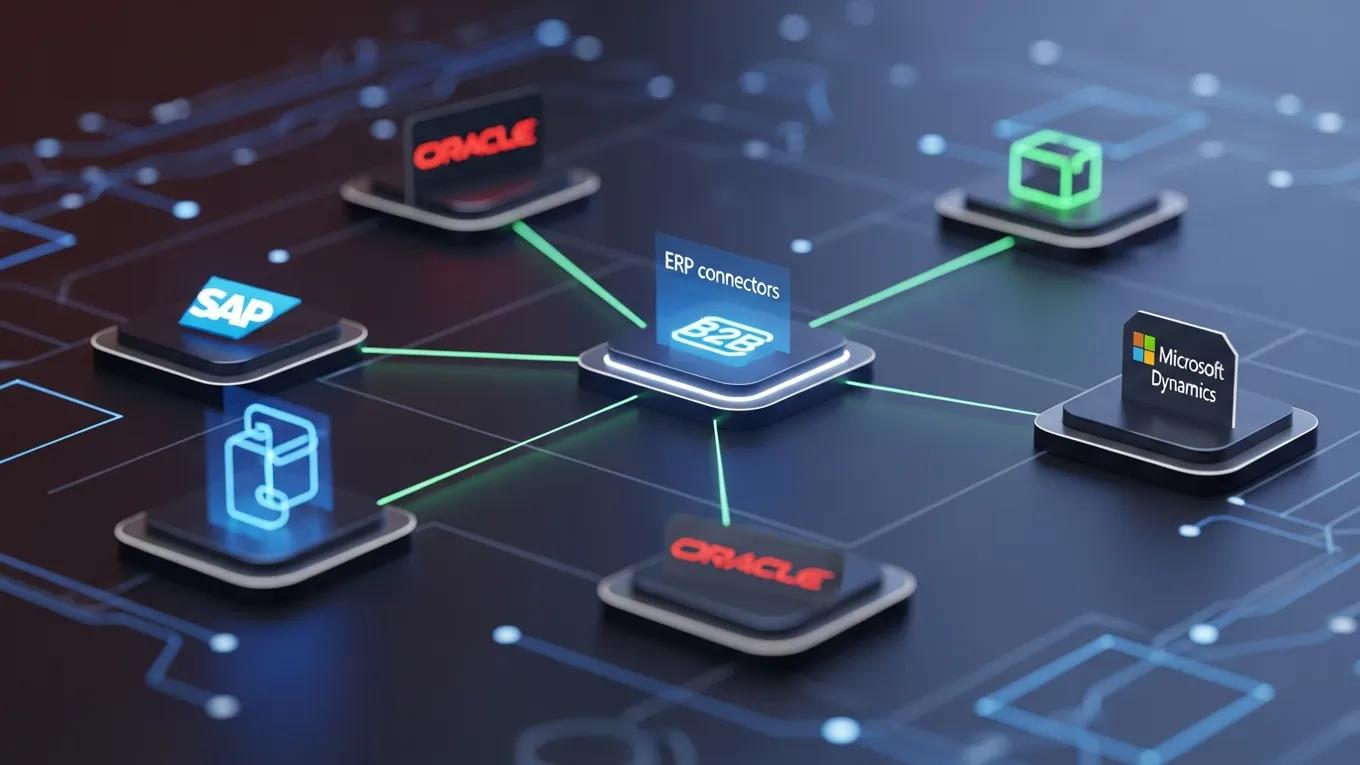
When considering ERP connectors for ecommerce integration, several options stand out for their effectiveness. Popular connectors include those for platforms like SAP, NetSuite, and Acumatica, which offer robust features tailored for B2B ecommerce. These connectors facilitate seamless data flow, allowing businesses to manage orders, inventory, and customer information efficiently. Additionally, connectors that support API-first architectures are increasingly favored for their flexibility and scalability, enabling businesses to adapt to changing market demands.
What Are the Key Benefits of Manufacturing ERP Ecommerce Sync?
The synchronization of manufacturing ERP systems with ecommerce platforms offers numerous benefits that can significantly enhance business operations. Key advantages include improved operational efficiency, enhanced customer experience, and increased scalability.
- Operational Efficiency: By automating data exchange between systems, businesses can streamline order processing and inventory management, reducing the time and resources required for manual tasks.
- Enhanced Customer Experience: Real-time data synchronization ensures that customers have access to accurate product information, order statuses, and inventory levels, leading to higher satisfaction and loyalty.
- Scalability: As businesses grow, integrated ERP systems can easily scale to accommodate increased order volumes and expanded product lines without compromising performance.
How Does ERP Integration Enhance Order Management and Inventory Control?
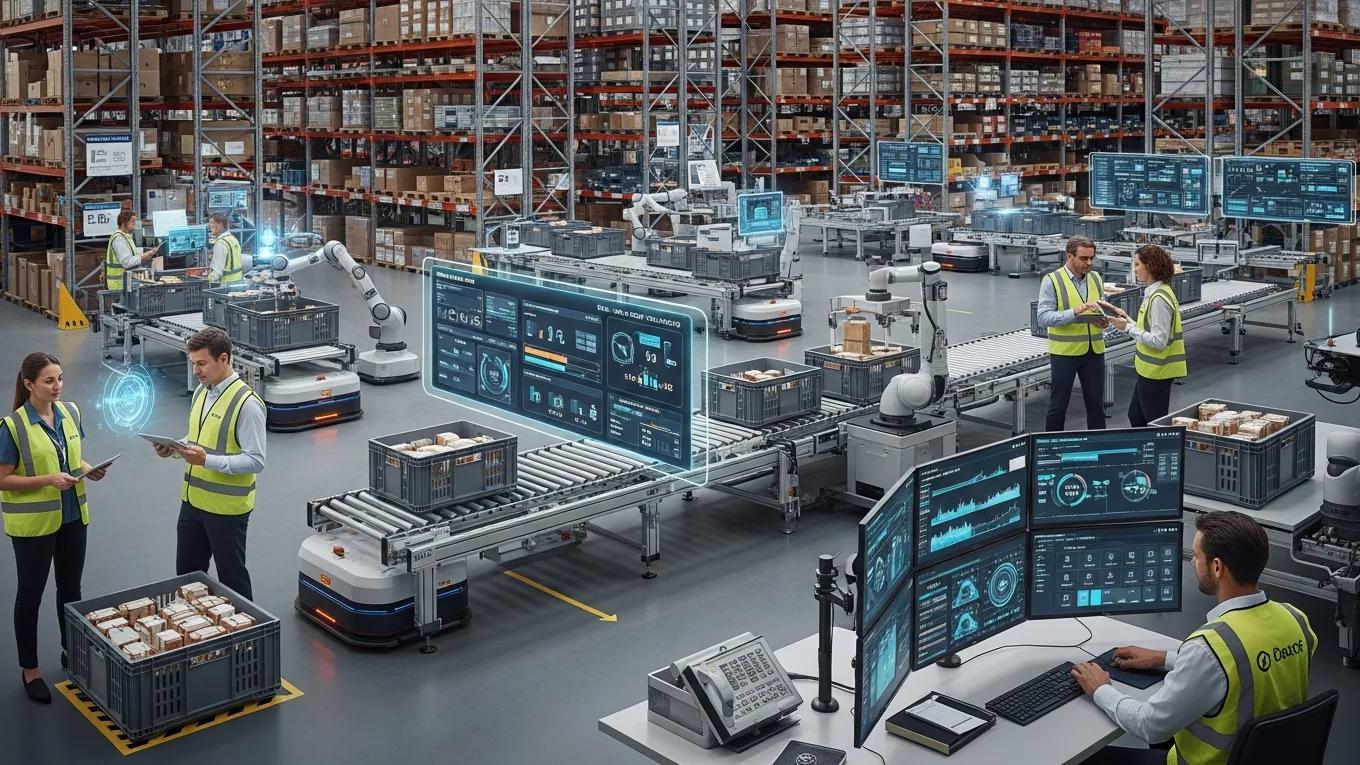
ERP integration enhances order management and inventory control by providing real-time visibility into stock levels and order statuses. This visibility allows businesses to respond quickly to customer demands, reducing the risk of stockouts or over-situations. Additionally, automated order processing minimizes errors associated with manual entry, ensuring that orders are fulfilled accurately and efficiently. For example, when a customer places an order on the ecommerce platform, the ERP system automatically updates inventory levels and triggers the fulfillment process, streamlining operations and improving customer satisfaction.
Further emphasizing the importance of seamless data flow, research highlights how integrating e-commerce with inventory through automated monitoring tools is crucial for maintaining system health and accuracy.
E-commerce & Inventory Integration for ERP
The research emphasizes the integration of e-commerce systems and inventory with the help of automated monitoring tools that enable proactive identification and repair of system issues.
ERP Migration in Digital Transformation: Best Practices and Overcoming Integration Challenges, SR Sola, 2021
In What Ways Does ERP Automation Improve Operational Efficiency for Manufacturers?
ERP automation significantly improves operational efficiency for manufacturers by reducing manual intervention in routine tasks. Automated processes, such as order processing, invoicing, and reporting, free up valuable time for employees to focus on more strategic activities. Furthermore, ERP systems provide advanced analytics and reporting capabilities, enabling manufacturers to gain insights into their operations and make data-driven decisions. For instance, manufacturers can analyze sales trends and inventory turnover rates to optimize production schedules and reduce waste.
What Challenges Do Distributors Face in ERP Ecommerce Automation and How Are They Overcome?
Distributors often encounter several challenges when implementing ERP ecommerce automation, including complex pricing structures, dynamic business changes, and data management issues. These challenges can hinder the effectiveness of integration efforts and impact overall business performance.
- Complex Pricing Structures: Distributors frequently deal with varying pricing models based on customer segments, order volumes, and promotional offers. Integrating these pricing structures into an ERP system can be challenging but is essential for accurate order processing.
- Dynamic Business Changes: The fast-paced nature of the ecommerce landscape requires distributors to adapt quickly to changes in demand, product offerings, and market conditions. ERP systems must be flexible enough to accommodate these changes without significant downtime.
- Data Management Challenges: Managing large volumes of data from multiple sources can lead to inconsistencies and errors. Implementing robust data governance practices and utilizing advanced data management tools can help mitigate these issues.
What Are Common Integration Obstacles in Distributor ERP Systems?
Common integration obstacles in distributor ERP systems include compatibility issues with legacy systems, approval workflows that slow down processes, and the challenge of managing multiple sales channels. These obstacles can create bottlenecks in operations and hinder the effectiveness of ecommerce strategies. To overcome these challenges, distributors can invest in modern ERP solutions that offer compatibility with existing systems and provide tools for managing complex workflows.
Which Solutions Streamline Distributor ERP and Ecommerce Synchronization?
Several solutions can streamline distributor ERP and ecommerce synchronization, including the adoption of dynamic relational database schemas and API-first architectures. Dynamic relational database schemas allow for flexible data management, enabling distributors to adapt to changing business needs without extensive reconfiguration. API-first architectures facilitate seamless integration between systems, allowing for real-time data exchange and improved operational efficiency. Additionally, centralized product information management systems can help ensure that product data is consistent across all sales channels, reducing the risk of errors and enhancing the customer experience.
How Are Cloud ERP and API-First Integration Trends Shaping B2B Ecommerce?
Cloud ERP and API-first integration trends are significantly shaping the future of B2B ecommerce by providing businesses with greater flexibility, scalability, and efficiency. Cloud-based ERP systems offer the advantage of remote access, allowing teams to manage operations from anywhere, which is particularly beneficial in today’s increasingly remote work environment.
What Advantages Do Cloud-Based ERP Systems Offer for Ecommerce Integration?
Cloud-based ERP systems provide several advantages for ecommerce integration, including seamless integration capabilities, cost-effectiveness, and enhanced flexibility. These systems can be easily updated and scaled to meet the evolving needs of businesses, ensuring that they remain competitive in the marketplace. Furthermore, cloud ERP solutions often come with built-in security features, reducing the risk of data breaches and ensuring compliance with industry regulations.
How Do API-First Approaches Enhance Scalability and Customization?
API-first approaches enhance scalability and customization by allowing businesses to integrate best-of-breed solutions tailored to their specific needs. This flexibility enables companies to quickly adapt to market changes and customer demands without being locked into a single vendor’s ecosystem. Additionally, API-first architectures facilitate rapid development and deployment of new features, ensuring that businesses can stay ahead of the competition.
What Are Best Practices and Case Studies Demonstrating Successful ERP Integration?
Implementing best practices for ERP integration can significantly enhance the success of B2B ecommerce initiatives. Companies that have effectively integrated their ERP systems with ecommerce platforms often share common strategies that contribute to their success.
Which Industry-Specific Use Cases Highlight Effective ERP Ecommerce Sync?
Industry-specific use cases demonstrate the effectiveness of ERP ecommerce synchronization in various sectors. For example, a manufacturer of industrial equipment successfully integrated its ERP system with its ecommerce platform, resulting in a significant reduction in order processing time and an increase in customer satisfaction. This case illustrates how effective integration can lead to tangible business benefits.
How Do Metrics Validate the Impact of ERP Integration on B2B Sales and Efficiency?
Metrics play a crucial role in validating the impact of ERP integration on B2B sales and efficiency. Key performance indicators (KPIs) such as order fulfillment rates, inventory turnover, and customer satisfaction scores can provide valuable insights into the effectiveness of integration efforts. For instance, businesses that have implemented ERP integration often report improved order accuracy and faster delivery times, leading to increased customer loyalty and repeat business.
What Are Frequently Asked Questions About ERP Integration for B2B Ecommerce?
As businesses explore ERP integration for B2B ecommerce, several common questions arise regarding its implementation and benefits.
How Does ERP Integration Improve B2B Ecommerce Efficiency?
ERP integration improves B2B ecommerce efficiency by automating data exchange between systems, reducing manual entry errors, and providing real-time visibility into inventory and order statuses. This automation streamlines operations, allowing businesses to respond quickly to customer demands and improve overall service levels.
What Are the Steps to Implement ERP Ecommerce Integration Successfully?
Implementing ERP ecommerce integration successfully involves several key steps:
- Discovery Phase: Assess current systems and identify integration needs.
- Platform Selection: Choose an ERP system that aligns with business goals and offers robust integration capabilities.
- Testing and Optimization: Conduct thorough testing to ensure seamless data flow and optimize processes for maximum efficiency.
By following these steps, businesses can effectively integrate their ERP systems with ecommerce platforms, leading to improved operational efficiency and enhanced customer experiences.