
B2B eCommerce Design Best Practices for Manufacturers & Distributors
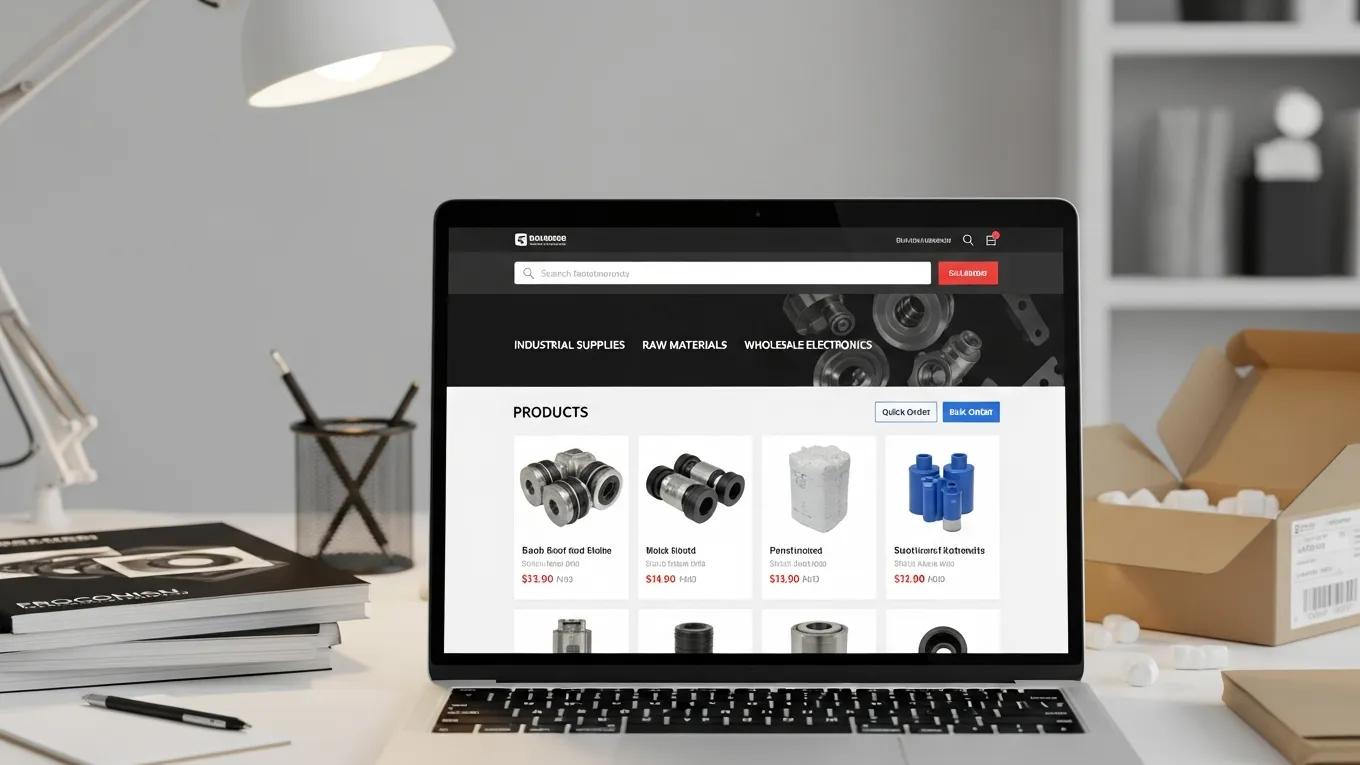
B2B Ecommerce Website Design Tips for Manufacturers and Distributors
By Nitesh Agrawal, NIVI Solutions, LLC.
In the rapidly evolving landscape of B2B commerce, manufacturers and distributors face unique challenges that require tailored solutions. This article delves into the best practices for B2B ecommerce website design, focusing on enhancing user experience, integrating essential functionalities, and ensuring scalability. Readers will learn how to optimize their ecommerce platforms to meet the specific needs of their business while improving sales efficiency. As the demand for seamless online transactions grows, understanding the intricacies of B2B ecommerce design becomes crucial. This guide will cover key areas such as user experience optimization, essential functionalities, and the importance of integration and scalability, providing actionable insights for manufacturers and distributors.
Further research emphasizes the importance of these best practices in B2B e-commerce for manufacturing companies, highlighting various e-commerce solutions.
B2B eCommerce Best Practices for Manufacturers
this chapter introduces some best practices in B2B e-commerce for manufacturing companies as well as different ecommerce solutions used in B2B e-commerce.
Beyond the Online Store–A Case Study on B2B e-Commerce in an Electronics Manufacturing Company, 2023
User Experience (UX) Optimization

User experience (UX) optimization is critical in B2B ecommerce, as it directly impacts customer satisfaction and conversion rates. A well-designed website should offer intuitive navigation, fast load times, and mobile responsiveness. These elements work together to create a seamless shopping experience that encourages users to engage with the platform. By prioritizing UX, businesses can reduce bounce rates and increase the likelihood of repeat visits.
Moreover, an optimized UX fosters trust and credibility, essential factors in B2B transactions. Users are more likely to complete purchases when they feel confident in the website’s functionality and design. This leads to higher conversion rates and ultimately boosts sales. As manufacturers and distributors look to enhance their online presence, focusing on UX optimization is a fundamental step toward achieving their ecommerce goals.
Indeed, identifying and implementing B2B eCommerce best practices, particularly those focused on usability, is crucial for achieving superior online experiences.
B2B eCommerce Best Practices & Usability
The B2B eCommerce best practices presented here were identified through online research. Most of the best practices are either winners of various competitions or clients of the multi-award-winning digital agency “Kommerz – The Frontend Company GmbH” from Essen, which specializes in B2B shops. All of the shop examples presented are characterized by above-average usability criteria.
Best Practices in B2B eCommerce, 2022
NIVI Solutions LLC specializes in delivering tailored ecommerce website design and development services focused on B2B manufacturers and distributors. Their expertise in UX design ensures that clients receive platforms that not only meet but exceed user expectations.
Essential Functionalities
When designing a B2B ecommerce platform, incorporating essential functionalities is vital for operational efficiency. Key features include dynamic pricing and catalog management, robust site search capabilities, and approval workflows. These functionalities streamline the purchasing process, making it easier for customers to find and order products.
Dynamic pricing allows businesses to adjust prices based on various factors, such as customer type or order volume, enhancing competitiveness. Catalog management ensures that product information is accurate and up-to-date, which is crucial for maintaining customer trust. Additionally, robust site search capabilities enable users to quickly locate products, improving the overall shopping experience.
Approval workflows are particularly important in B2B transactions, where multiple stakeholders may need to authorize purchases. By implementing these functionalities, manufacturers and distributors can create a more efficient and user-friendly ecommerce environment.
These essential functionalities not only enhance the user experience but also contribute to the overall efficiency of B2B ecommerce operations.
Key Design Elements
The design of a B2B ecommerce website plays a significant role in its effectiveness. Key design elements include visual appeal, content management systems, and multi-store capabilities. A visually appealing website captures users’ attention and encourages them to explore further. Effective use of colors, typography, and imagery can significantly impact user engagement.
Content management systems (CMS) are crucial for managing product information and ensuring that updates can be made easily. A robust CMS allows businesses to maintain control over their content, ensuring that customers always have access to the latest information. Additionally, multi-store capabilities enable businesses to manage multiple brands or product lines from a single platform, streamlining operations and reducing complexity.
By focusing on these key design elements, manufacturers and distributors can create a more engaging and efficient ecommerce experience for their customers.
Integration and Scalability
Integration and scalability are essential considerations for B2B ecommerce platforms. As businesses grow, their ecommerce solutions must be able to adapt to changing needs. An API-driven architecture allows for seamless integration with existing systems, such as ERP and CRM solutions, ensuring that data flows smoothly between platforms.
Centralized product information management is another critical aspect of scalability. By maintaining a single source of truth for product data, businesses can ensure consistency across all sales channels. This not only improves operational efficiency but also enhances the customer experience by providing accurate and up-to-date information.
As manufacturers and distributors look to expand their online presence, prioritizing integration and scalability will be key to their long-term success.
Performance Monitoring
Performance monitoring is vital for maintaining the effectiveness of a B2B ecommerce platform. Analytics and reporting tools provide insights into user behavior, sales trends, and website performance. By regularly analyzing this data, businesses can make informed decisions to optimize their ecommerce strategies.
Data-driven decisions allow manufacturers and distributors to identify areas for improvement, such as optimizing product listings or enhancing marketing efforts. Additionally, monitoring performance metrics helps businesses stay competitive in the ever-evolving ecommerce landscape.
What Are the Essential Features of a B2B Ecommerce Platform for Manufacturers and Distributors?
A successful B2B ecommerce platform must include several essential features to meet the unique needs of manufacturers and distributors. These features include:
- Dynamic Pricing Models: Allow for flexible pricing strategies based on customer segments or order quantities.
- Account-Specific Workflows: Tailor the purchasing process to individual customer needs, enhancing user experience.
- Integration Capabilities: Ensure seamless connectivity with existing ERP and CRM systems for efficient operations.
By incorporating these features, businesses can create a robust ecommerce platform that supports their operational goals and enhances customer satisfaction.
How Do Custom Pricing and Ordering Workflows Improve B2B Sales Processes?
Custom pricing and ordering workflows are crucial for optimizing B2B sales processes. These workflows allow businesses to tailor pricing strategies based on customer relationships, order history, and market conditions. By implementing dynamic pricing models, manufacturers and distributors can respond quickly to changes in demand and maintain competitiveness.
Additionally, custom ordering workflows streamline the purchasing process, making it easier for customers to place orders. This not only improves the user experience but also reduces the time spent on order processing, allowing sales teams to focus on building relationships and closing deals.
Which ERP and CRM Integrations Are Critical for Seamless Ecommerce Operations?
Integrating ERP and CRM systems with B2B ecommerce platforms is essential for seamless operations. Key integrations include:
- Inventory Management: Ensures that stock levels are accurately reflected on the ecommerce platform, preventing overselling.
- Order Processing: Streamlines the order fulfillment process, reducing delays and improving customer satisfaction.
- Customer Relationship Management: Enhances customer interactions by providing sales teams with valuable insights into customer behavior and preferences.
The evolution of B2B e-commerce, especially for manufacturers, underscores the necessity of robust ERP integration to adapt to modern business demands like personalized orders and flexible production.
B2B E-commerce & ERP Integration for Manufacturers
The advent of the information age and the emergence of enterprise resource planning, all have brought the greatest advantage for enterprise integration of resources; a B2B e-commerce business model has formed and become a main trading method of the business development; in the age of electronic commerce, one-to-one market-based approaches, personalized orders and demand, as well as online customer service and other new business operations and service model, are not what traditional ERP system had expected; especially the emergence of flexible production, small batch production, etc., enable a wider range and more content of inter-corporate transactions; hence, the traditional ERP systems have to change from the corresponding structure and business functions, and many other aspects. E-commerce precisely provides an excellent support platform in response to this change.
Integration of B2B E-commerce and ERP in Manufacturing Enterprise and its Application, 2015
By prioritizing these integrations, manufacturers and distributors can create a more efficient and effective ecommerce environment.
How Can Industrial Ecommerce Website Design Optimize User Experience for B2B Clients?
Industrial ecommerce website design can significantly enhance user experience for B2B clients by focusing on intuitive interfaces and responsive design. An intuitive interface allows users to navigate the site easily, finding products and information without frustration. This is particularly important in B2B transactions, where users may have specific requirements and limited time.
Responsive design ensures that the website functions well on various devices, including desktops, tablets, and smartphones. As more users turn to mobile devices for their shopping needs, having a responsive design becomes increasingly important for maintaining engagement and driving conversions.
What Are Best Practices in UX Design for Complex Product Catalogs?
Designing for complex product catalogs requires careful consideration of user experience. Best practices include:
- Dynamic Product Information Management: Ensure that product details are easily accessible and up-to-date.
- Flexible Data Structure: Allow for the categorization of products in multiple ways, making it easier for users to find what they need.
- Advanced Filtering Options: Enable users to filter products based on various criteria, such as specifications, price, and availability.
By implementing these best practices, manufacturers and distributors can create a more user-friendly experience that encourages exploration and purchase.
How Does Mobile Optimization Enhance B2B Ecommerce Accessibility?
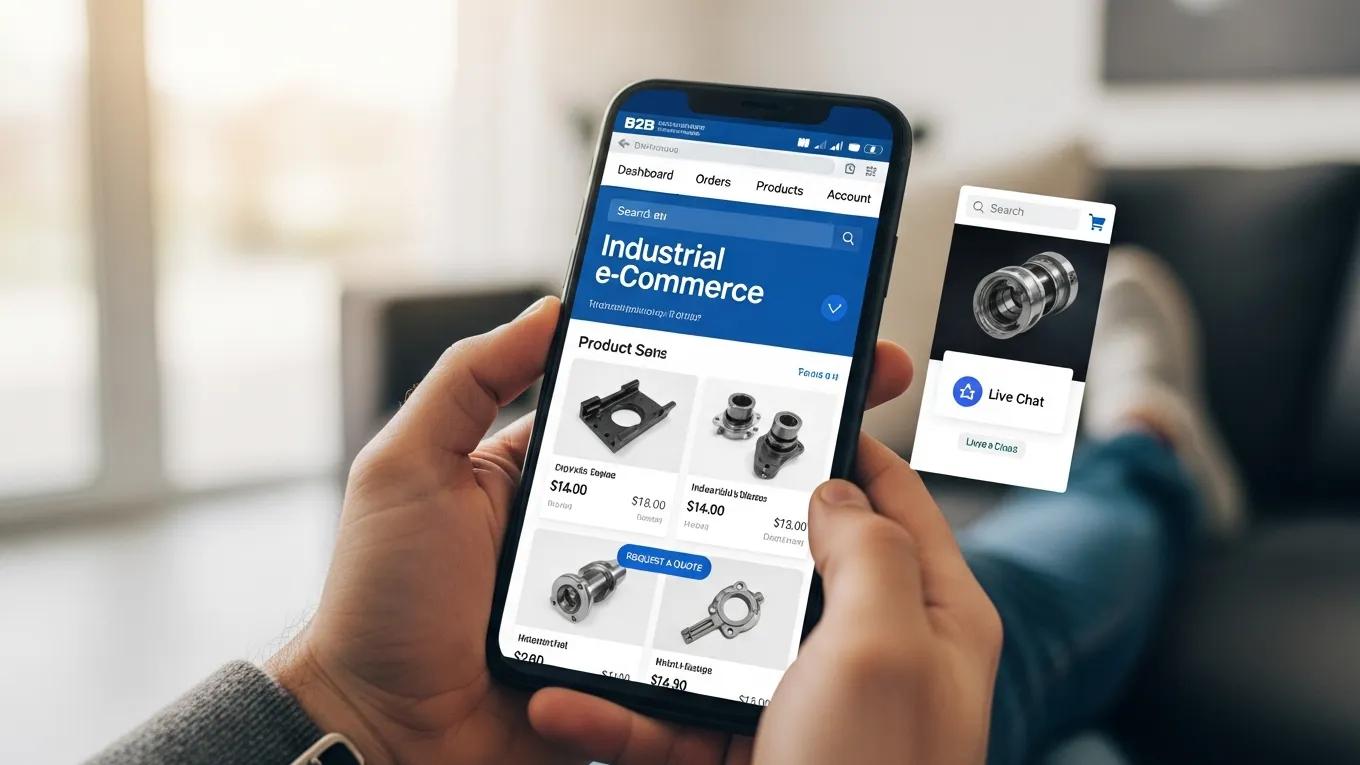
Mobile optimization is crucial for enhancing B2B ecommerce accessibility. A mobile-optimized website ensures that users can easily navigate and interact with the platform on their devices. Key benefits of mobile optimization include:
- Improved User Experience: Users can access the site quickly and easily, regardless of their device.
- Increased Engagement: A mobile-friendly design encourages users to spend more time on the site, exploring products and making purchases.
- Higher Conversion Rates: Optimized mobile experiences lead to increased sales, as users are more likely to complete transactions on a site that functions well on their devices.
As mobile usage continues to rise, prioritizing mobile optimization is essential for B2B ecommerce success.
What Strategies Ensure Security and Compliance in Manufacturing and Distribution Ecommerce?
Ensuring security and compliance in manufacturing and distribution ecommerce is paramount. Key strategies include:
- Data Encryption: Protect sensitive customer information during transactions to prevent data breaches.
- Regular Security Audits: Conduct audits to identify and address potential vulnerabilities in the ecommerce platform.
- Compliance with Regulations: Stay informed about industry regulations and ensure that the ecommerce platform adheres to all relevant standards.
By implementing these strategies, manufacturers and distributors can build trust with their customers and protect their businesses from potential risks.
How Does Compliance Impact Customer Trust and Retention?
Compliance plays a significant role in building customer trust and retention. When businesses adhere to industry regulations and standards, they demonstrate a commitment to protecting customer data and providing a secure shopping experience. This fosters trust, encouraging customers to return for future purchases.
Additionally, compliance can enhance the overall customer experience by ensuring that products meet quality and safety standards. As customers become more aware of data privacy and security issues, businesses that prioritize compliance will be better positioned to retain their clientele.
How Can Custom Ecommerce Development Address Unique Manufacturer and Distributor Needs?
Custom ecommerce development allows manufacturers and distributors to address their unique needs effectively. By tailoring the ecommerce platform to specific business requirements, companies can create a solution that aligns with their operational goals. Key benefits of custom development include:
- Dynamic Database Structure: Support complex product catalogs and pricing models.
- Personalization Capabilities: Enhance user experience by providing tailored content and recommendations based on customer behavior.
By investing in custom ecommerce development, businesses can create a platform that not only meets their current needs but also adapts to future growth.
What Are the Benefits of Tailored Ecommerce Solutions Over Off-the-Shelf Platforms?
Tailored ecommerce solutions offer several advantages over off-the-shelf platforms, including:
- Customization and Flexibility: Businesses can design their platforms to meet specific requirements, ensuring a better fit for their operations.
- Integration with Existing Systems: Tailored solutions can seamlessly integrate with existing ERP and CRM systems, enhancing overall efficiency.
- Scalability: Custom solutions can grow with the business, accommodating increased traffic and expanding product lines without compromising performance.
These benefits make tailored ecommerce solutions a more strategic choice for manufacturers and distributors looking to enhance their online presence.
How Can Custom Development Support Complex Pricing and Ordering Rules?
Custom development is essential for supporting complex pricing and ordering rules in B2B ecommerce. By implementing tailored solutions, businesses can create dynamic pricing models that adjust based on various factors, such as customer type or order volume. This flexibility allows manufacturers and distributors to remain competitive in a rapidly changing market.
Additionally, custom development enables the creation of specific ordering workflows that cater to the unique needs of B2B clients. This ensures that the purchasing process is streamlined and efficient, ultimately leading to improved customer satisfaction and loyalty.
What Are Proven Best Practices for Distributor Ecommerce to Drive Growth and Efficiency?
To drive growth and efficiency in distributor ecommerce, businesses should consider the following best practices:
- Focus on Customer Engagement: Implement strategies that encourage interaction and build relationships with customers.
- Optimize Operational Efficiency: Streamline processes to reduce costs and improve service delivery.
- Leverage Data Analytics: Use data insights to inform decision-making and identify opportunities for growth.
By adopting these best practices, distributors can enhance their ecommerce operations and achieve sustainable growth.
How Can Personalization Improve Distributor Customer Engagement?
Personalization is a powerful tool for improving distributor customer engagement. By tailoring the shopping experience to individual preferences, businesses can create a more relevant and enjoyable experience for their customers. Key strategies for personalization include:
- Account-Specific Customization: Offer tailored product recommendations based on previous purchases and browsing behavior.
- Dynamic Content Management: Adjust website content in real time to reflect user interests and preferences.
These personalization strategies not only enhance customer engagement but also drive sales by encouraging repeat purchases and fostering brand loyalty.
What Role Do Case Studies Play in Demonstrating Ecommerce Success?
Case studies are invaluable for demonstrating ecommerce success, as they provide real-world examples of how businesses have achieved their goals. By showcasing successful implementations of ecommerce solutions, companies can build credibility and trust with potential clients. Key benefits of using case studies include:
- Building Trust: Real-life examples of success help establish credibility and reassure potential customers.
- Highlighting Best Practices: Case studies can illustrate effective strategies and approaches that others can adopt.
Incorporating case studies into marketing efforts can significantly enhance a company’s reputation and attract new clients.